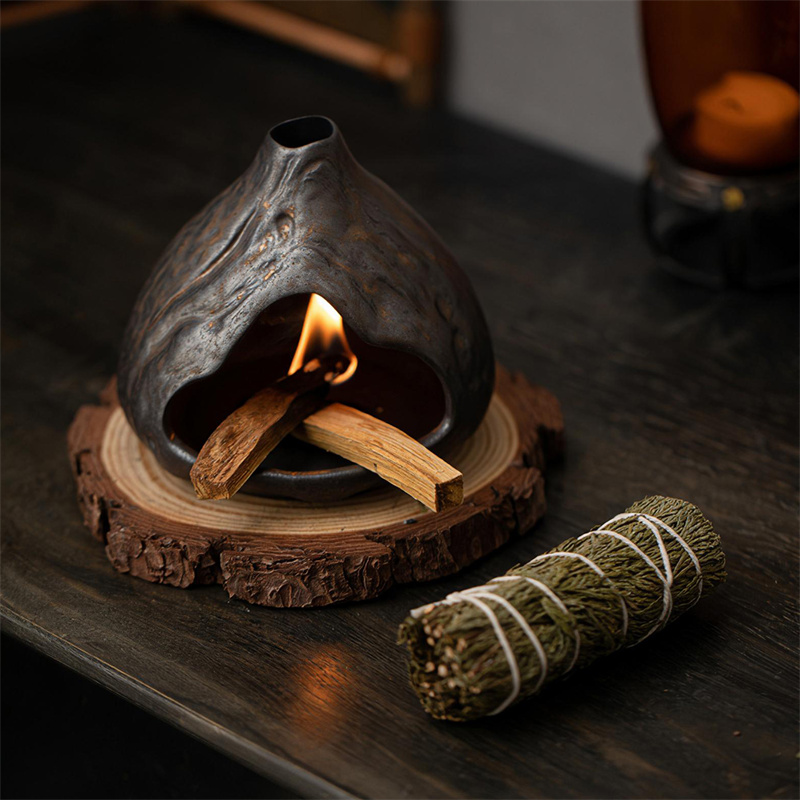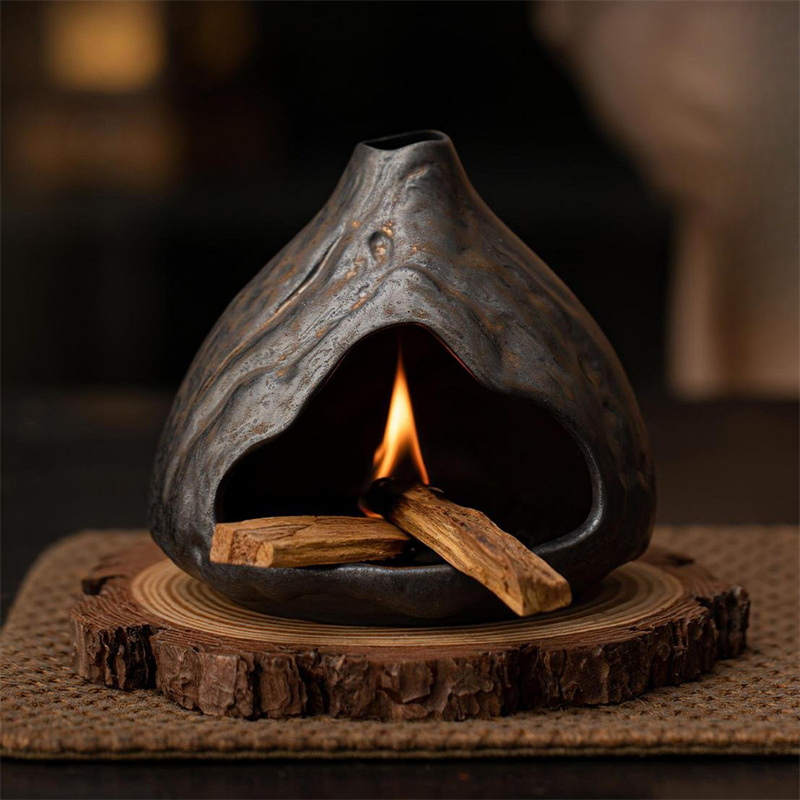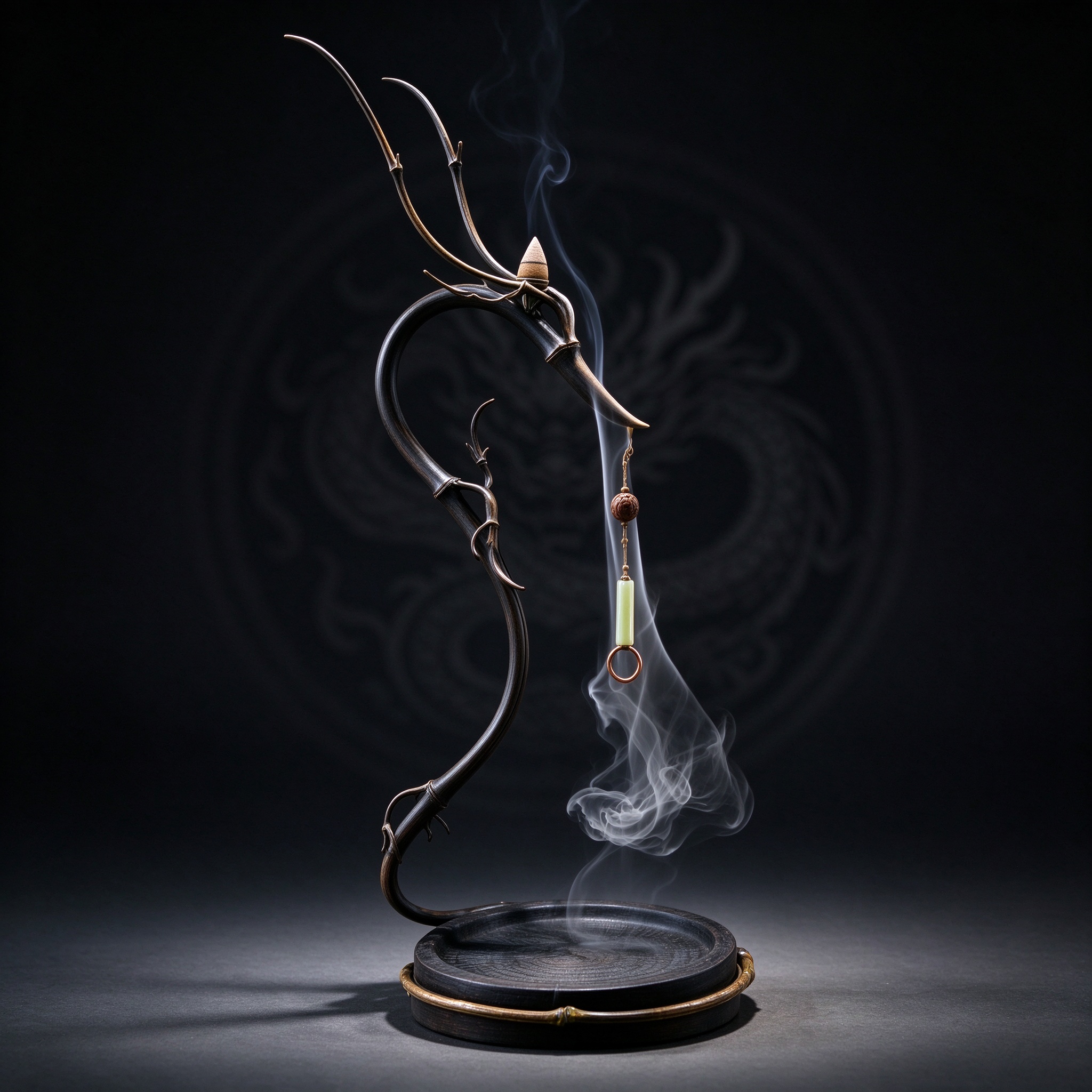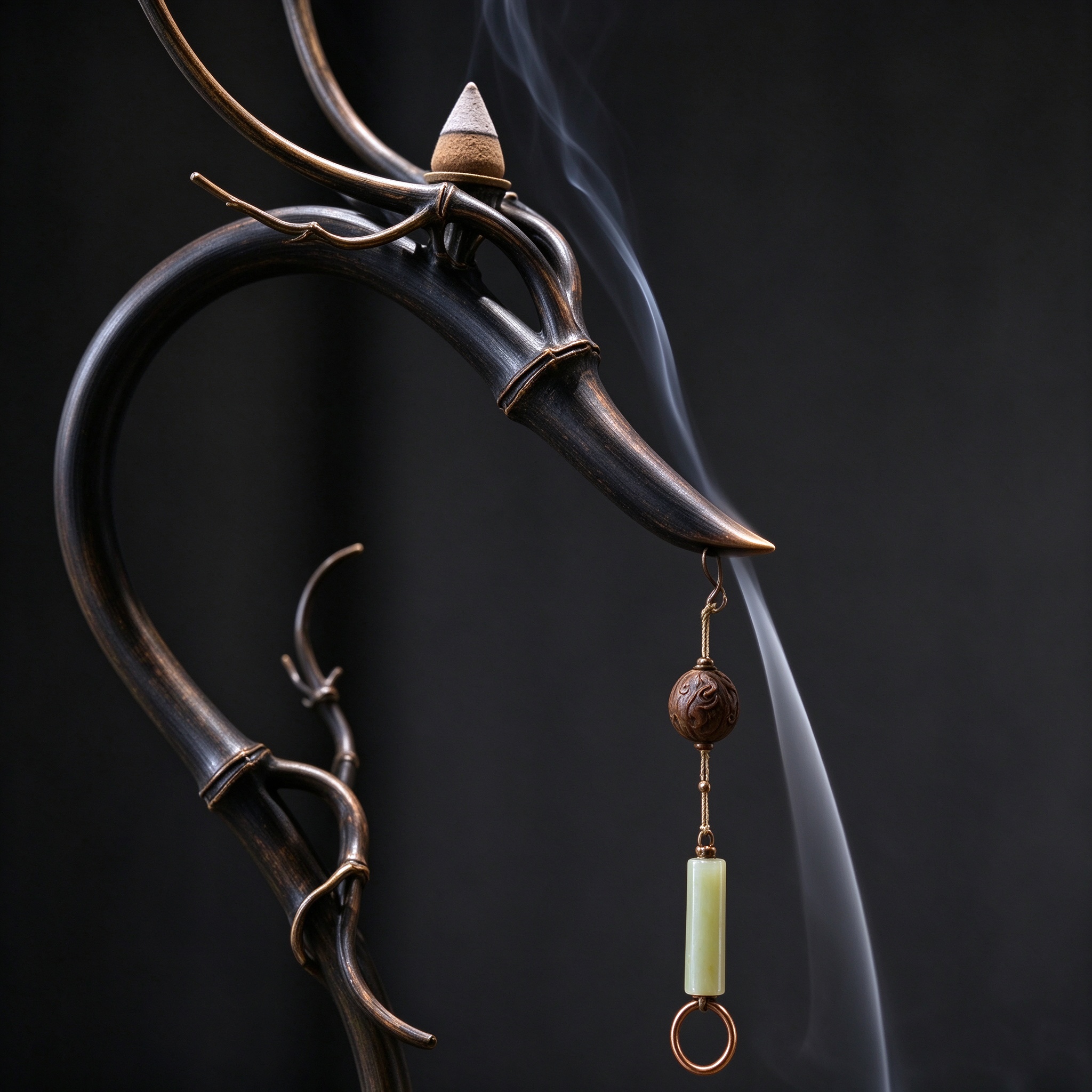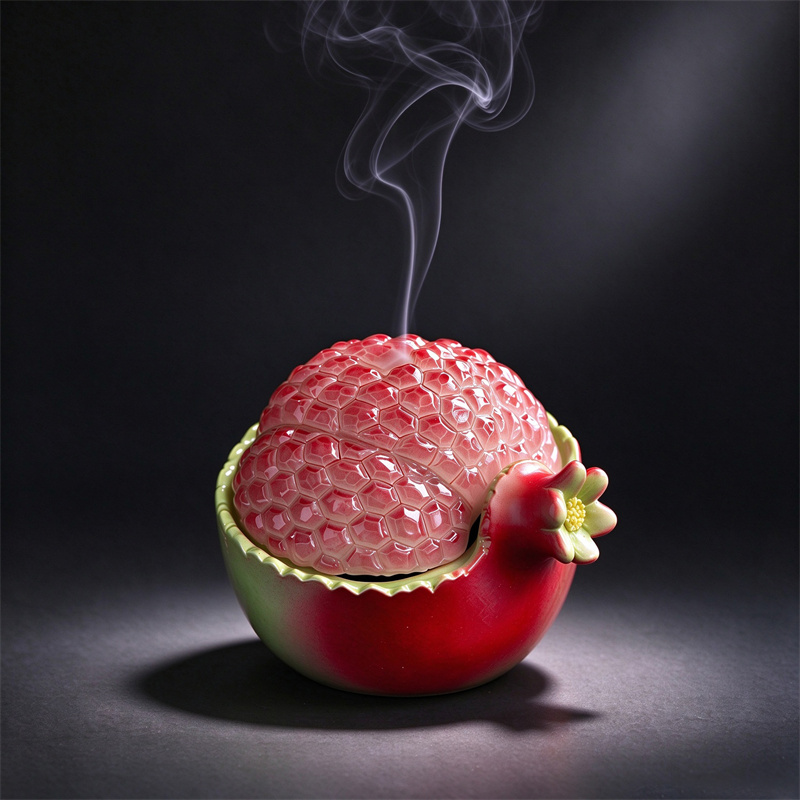
Hand-Thrown Dehua Ceramic Petal Incense Holder
Price range: $39.99 through $43.99
“Ember Bloom” Zen Aromatherapy Burner
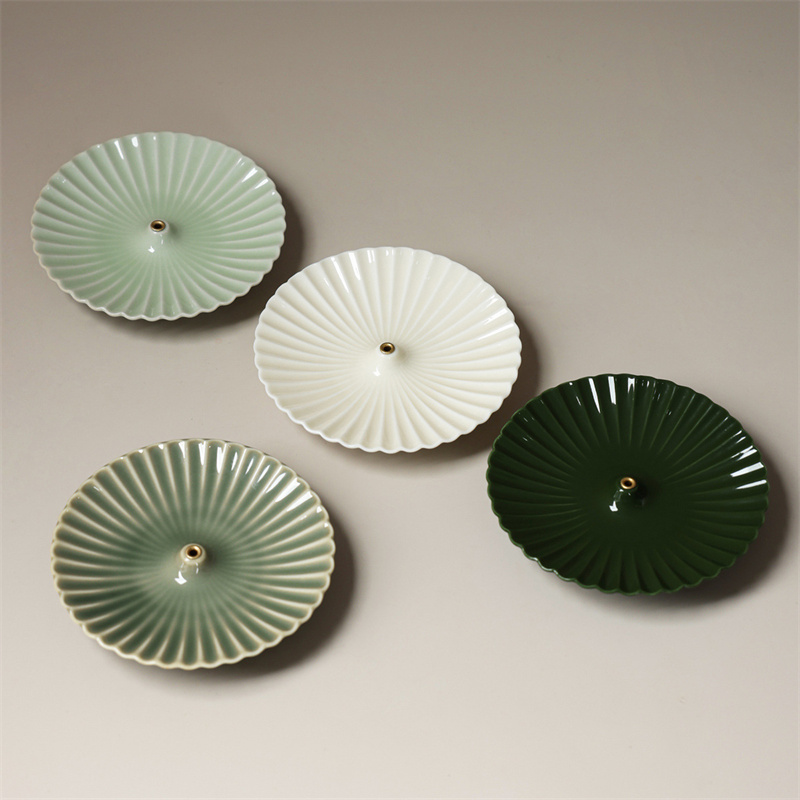
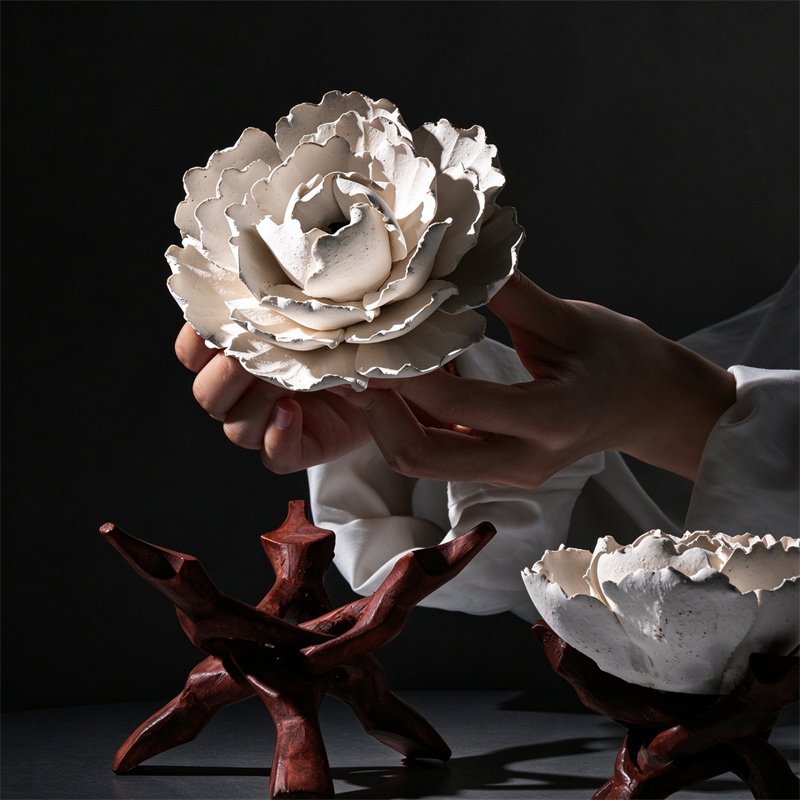
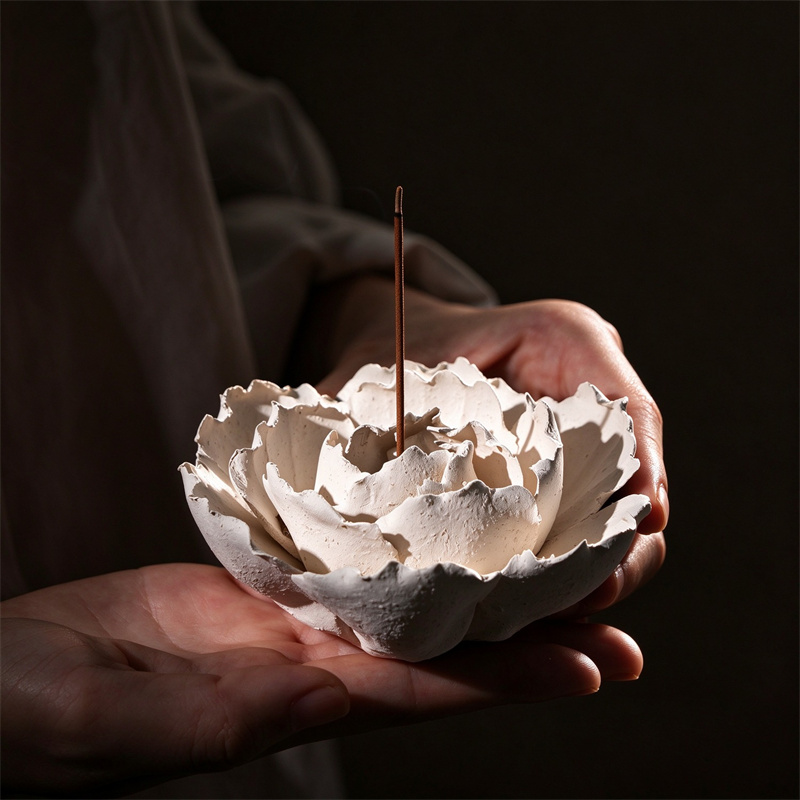
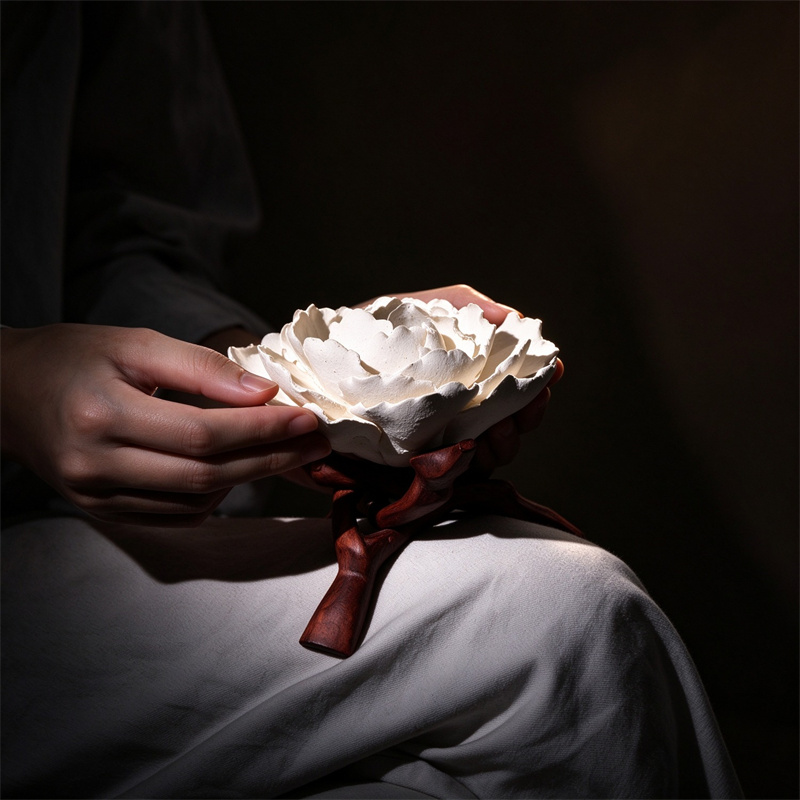
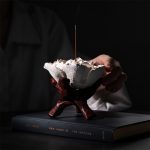
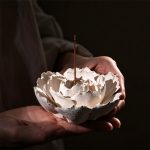
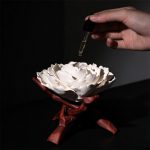
Ember Bloom” draws its name from an ancient poetic image: as the incense ember fades, the flower remains awake. Each holder is hand-thrown by a master craftsman in Dehua, Fujian — a ceramics town with a thousand-year heritage. The petals are pinched and shaped one by one from white porcelain clay, so no two pieces are ever exactly alike; every curve, crease, and thickness bears the mark of the human hand.
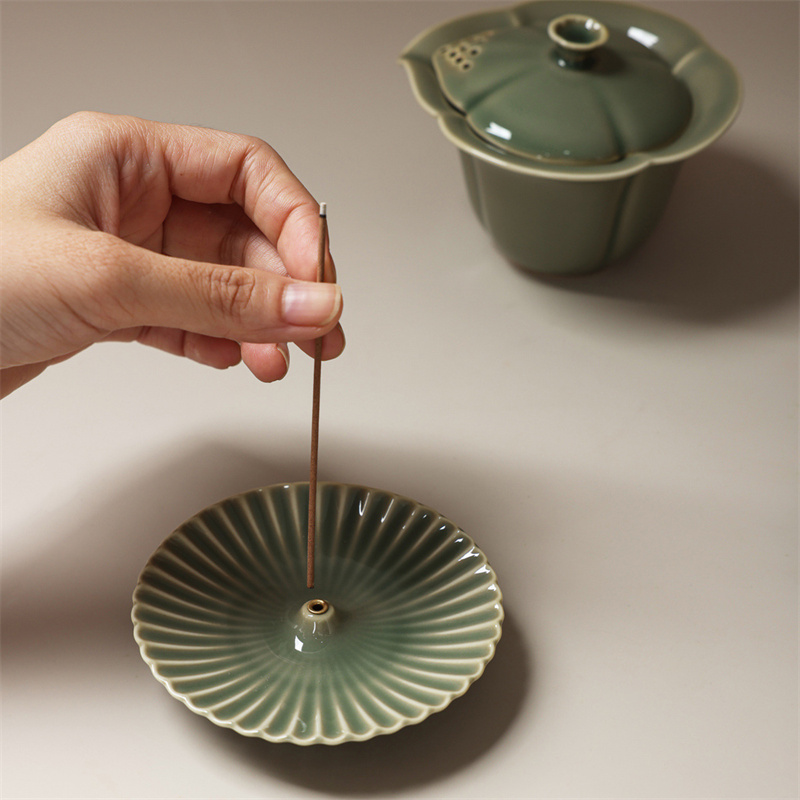
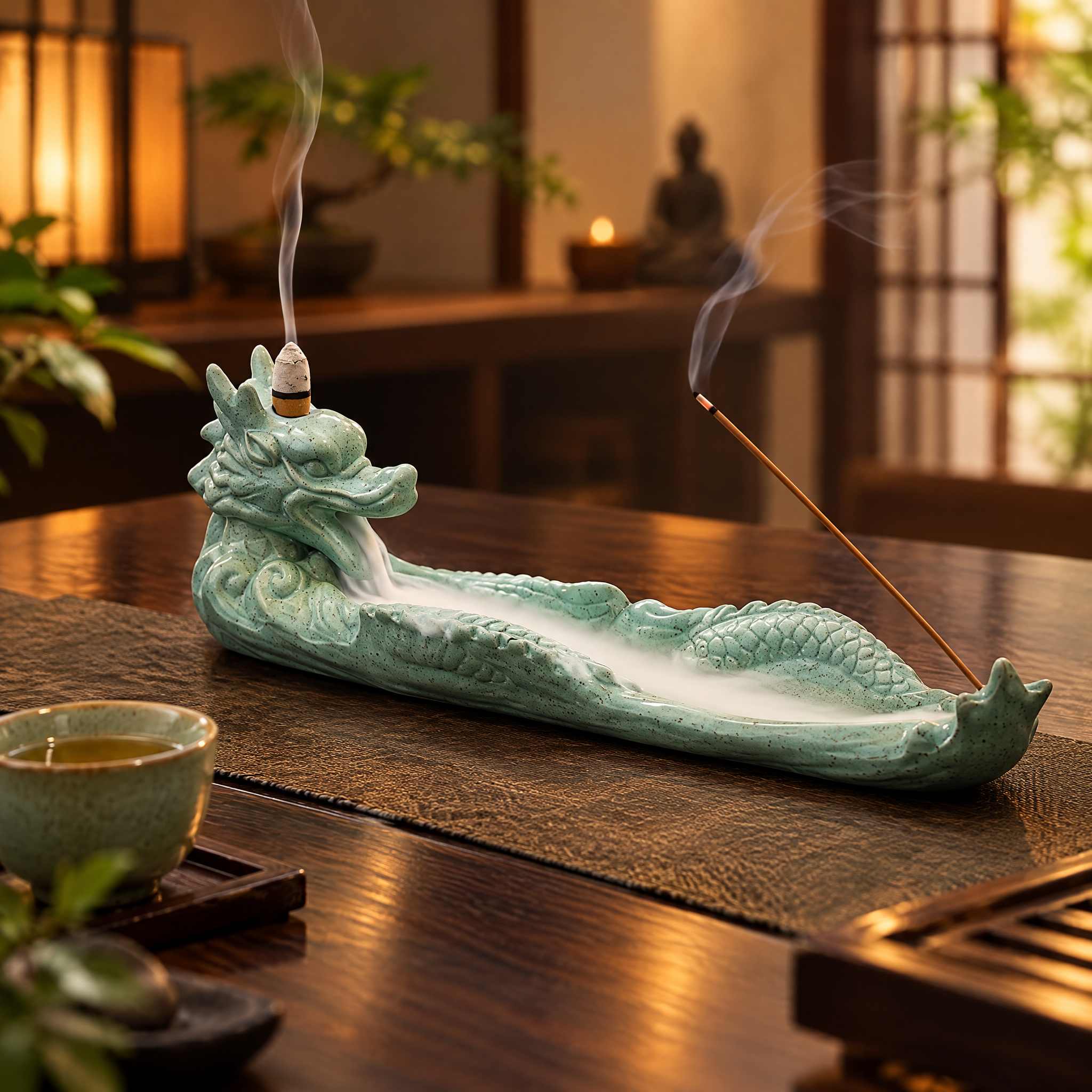
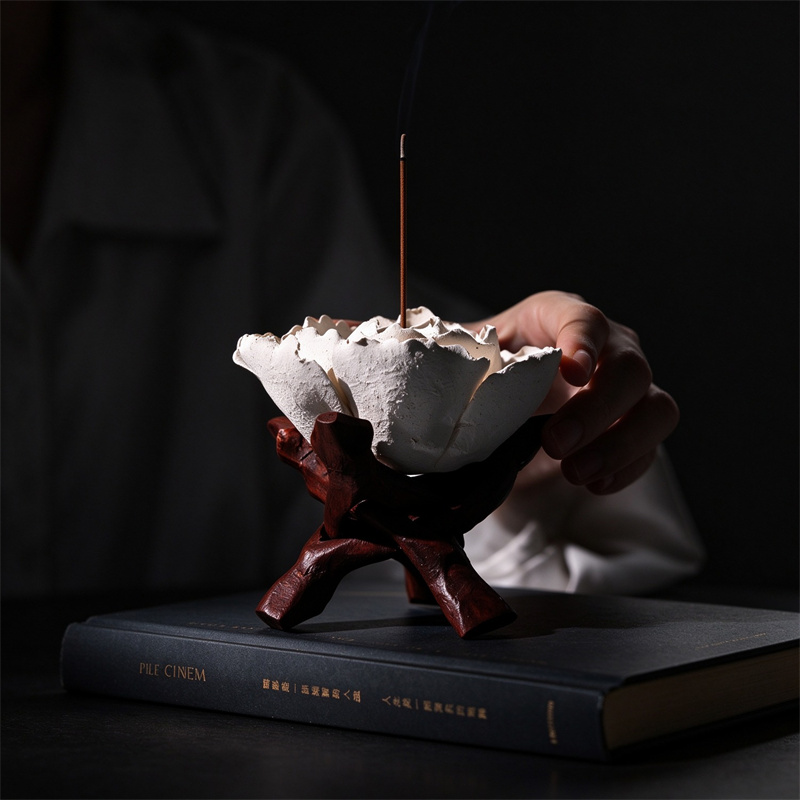
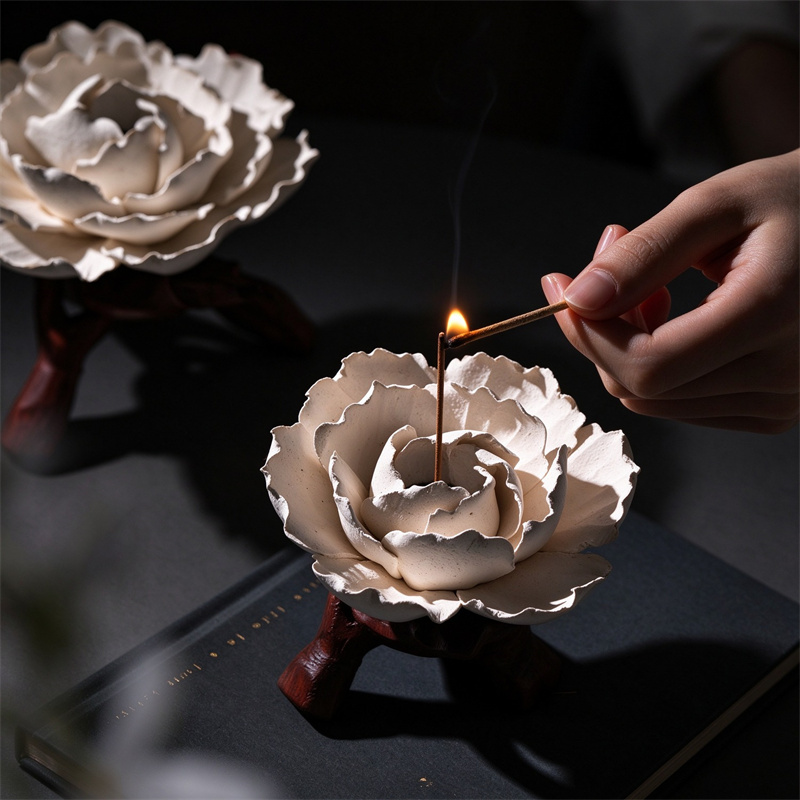
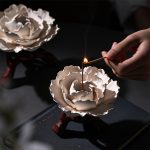
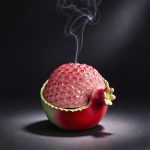
A slender incense stick rests at the flower’s heart, and smoke rises gently between the petals like mist over blossoms. The dish naturally catches falling ash, making cleanup effortless. The warm matte glaze sits beautifully on a tea table, writing desk, entryway, or meditation corner.
- Craft: Intangible-cultural-heritage hand-modeled ceramic; no two pieces identical
- Origin: Dehua, Fujian — China’s historic porcelain capital
- Fits: Incense sticks up to 1.5mm diameter
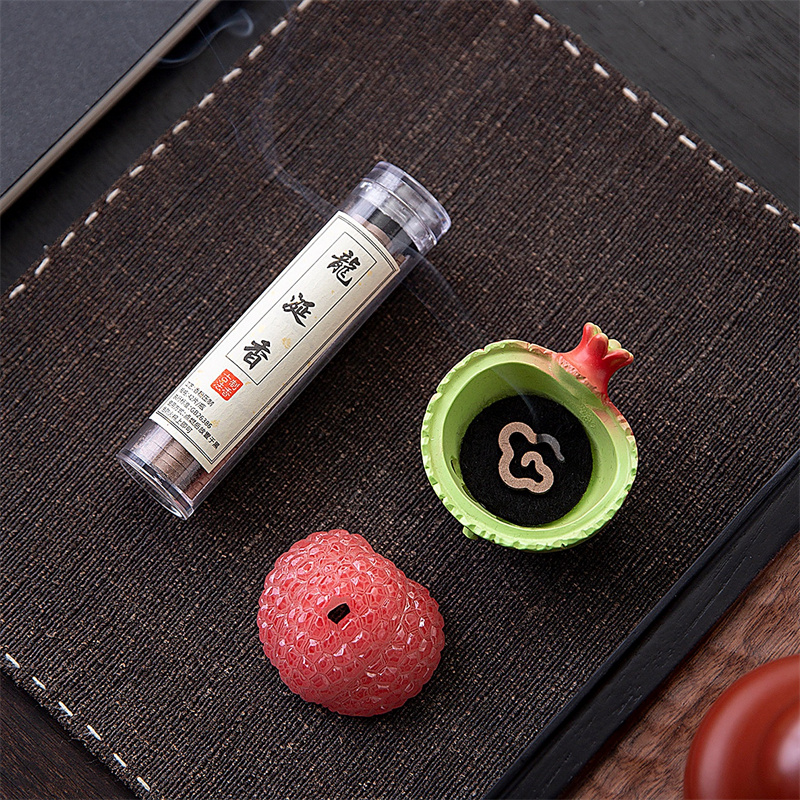
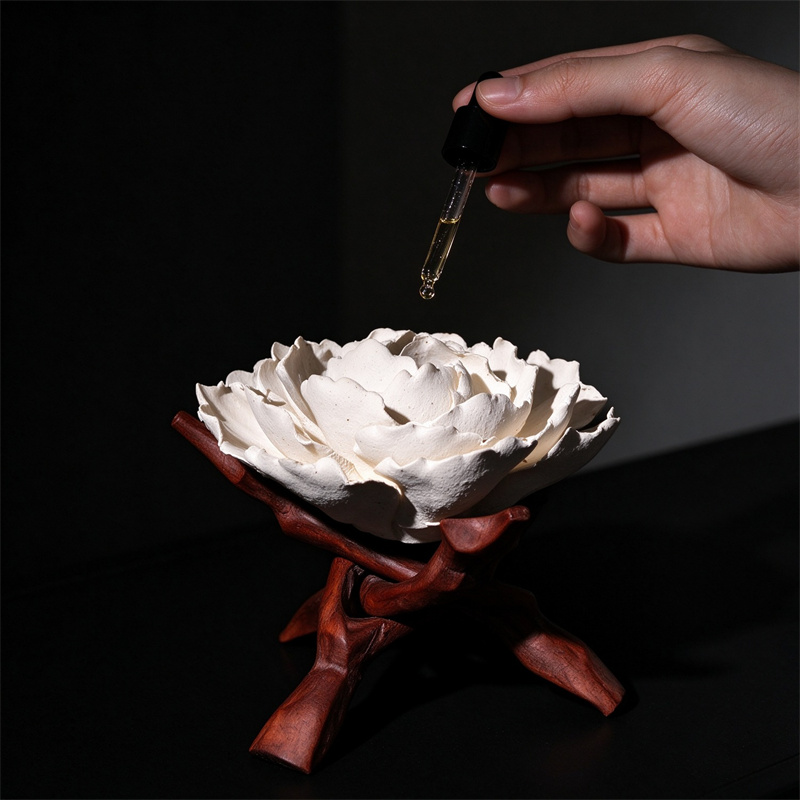
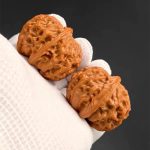
- Optional add-ons: Thread incense in Taihang Arborvitae, “Goose-Pear in the Tent”, or Agarwood; solid-wood stand; walnut dust cover
- Packaging: Gift boxed
Note:This product is made of Ceramics: if it is damaged during shipping, please contact us immediately! This product is made of natural jade. Avoid direct contact with perfume and chemicals, and please remove it before showering.If you have any questions after receiving the product, please feel free to contact us at any time; we’d be happy to assist you.
Dehua's porcelain clay is quiet as frost. A craftsman takes a lump of clay and, without a mold, pinches petal after petal into place with bare fingertips. Each petal must be thin enough to let air through, yet sturdy enough to hold the warmth of burning incense — that balance can only come from decades of muscle memory.
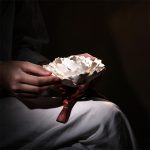
The flower itself carries two ancient meanings. In Chinese culture, the peony is the "king of flowers," a symbol of prosperity, good fortune, and gracious abundance — its full, layered bloom represents a life well-lived. Beside it stands the lotus, rising unstained from the mud, the emblem of purity, mindfulness, and the Zen ideal of remaining calm amid the noise of the world. This incense holder is shaped as a blossom that holds both: the peony's warmth of prosperity and the lotus's cool clarity of spirit.
The ancients called incense "the friend of stillness." Light one while reading and the words settle; light one while sitting quietly and the breath slows. "Ember Bloom" was made to hold onto those final seconds before the ember dies: the flame grows faint, the smoke still rises, and the flower stays awake. Zen speaks of living in the present — from the moment you light the stick to the moment it burns out is not waiting; it is a whole stretch of time you can breathe inside.
Every flower is hand-shaped, so it is imperfect — edges undulate, glaze varies in tone. That imperfection is exactly what rescues it from mass production. May it bring you the peony's abundance and the lotus's peace, every time you light a stick.
Where to place it
- Desk / study (Southeast, "Wisdom" area): Light one while reading, writing, or working; the scent anchors focus.
- Living room / entryway: Light a stick before guests arrive to cleanse the air and welcome them.
- Meditation corner / by your yoga mat: For sitting practice, breathwork, or stillness.
- Bedroom: Use a short, mild stick — agarwood or "Goose-Pear" — about an hour before sleep. Keep it faint.
- Avoid: Drafts, windy windows (smoke scatters), and humid bathrooms.
When to light it
- Morning stillness — Taihang arborvitae, bright and clarifying
- Afternoon work / reading — agarwood, grounding and steadying
- Evening tea — alone or with guests
- One hour before bed — "Goose-Pear in the Tent" to unwind the mind
When to use it
- Meditation and yoga
- Tea ceremony, flower arranging, calligraphy
- Writing and deep-focus work
- Moments of anxiety; a reason to breathe slowly
- Welcoming guests into a considered space
How it supports your energy
- Purifies the space: In Chinese tradition, incense smoke clears stale indoor air — a quiet reset for the room.
- Settles the mind: Scent becomes an anchor for the breath; tension dissolves with the smoke.
- Deepens focus: Aromatic presence gives wandering thoughts a place to land, making it easier to enter flow.
- Creates ritual: Lighting a stick is the smallest possible meditation — a signal to yourself that it is time to slow down.