

Nine Blessings — Where the Dragon's(loong's) Ninefold Fortune Meets the Quiet of Zen
In the oldest memory of the East, the dragon(loong)was never a beast of destruction. It was the rain that fed the fields, the river that carved the valleys, the auspicious breath that moved between heaven and earth. And when the dragon(loong) coiled upon the wall of a prince or the gate of an emperor, it was carved not once, but nine times — for nine is the number of the utmost yang, the number of completion, the number that the Chinese heart has always read as long-lasting, whole, and blessed.
Nine Blessings was born from that ancient arithmetic of fortune. We take our name from the Nine-Dragon(loong) Wall — the Jiulong Bi — where nine dragons(loong) dance in glazed color, each one a different prayer. To the Chinese imagination, the dragon(loong) is not merely powerful; it is kind. It is the guardian of the household, the bringer of rain, the witness of vows. To place a dragon(loong) in one’s home is to invite protection; to burn incense before it is to send a message upward.
For centuries, the Chinese have understood that fortune has colors. The five hues of the traditional dragon(loong) — Golden Yellow, red, purple, white, and cyan — are not decoration but energetic signatures, each one carrying a distinct blessing into the life of the wearer or the home. This is the heart of feng shui: that color, material, and intention together shape the invisible field around us. A yellow dragon(loong) speaks to the throne of one’s career; a red one to the warmth of the family hearth; a white one to the quiet strength of the body; a purple one to the accumulation of wealth; a cyan one to the clearing of shadow and ill fortune.
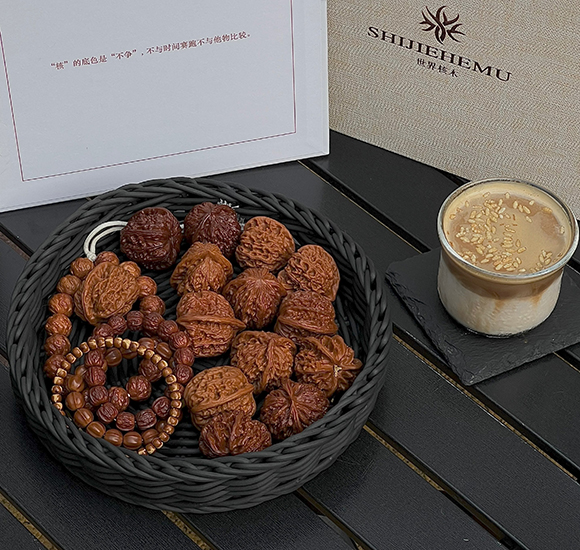
At Nine Blessings, we gather these energies into objects of daily ritual — hand-finished wenwan pieces, traditional incense, and dragon(loong)-motif artifacts — so that the old blessings are not museum relics but living companions. We believe the dragon still coils, still watches, still blesses. And we believe that nine blessings, properly invited, can quietly rearrange a life.
Nine dragons(loongs). Five colors. One quiet, auspicious path.
The Five Colors
Golden Yellow— The Imperial Path
GoldenYellow is the color of the center, of earth, of the emperor. In feng shui it stabilizes ambition and draws recognition. Wear or place yellow to strengthen career standing and dignified authority.
Red — The Hearth of Family
Red is the most auspicious color in Chinese culture, the color of weddings and New Year. It activates the heart of the home, harmonizes relationships, and invites joy.
Purple — The Vault of Wealth
Purple sits between red’s fire and blue’s water — a color of nobility and accumulated treasure. In energy terms it attracts prosperity and refines one’s sense of worth.
White — The Serene Body
White is metal and clarity; it clears stagnant energy and protects the body’s quiet center. It is the color of peace, recovery, and unclouded health.
Cyan — The Clearing of Shadows
Cyan is the color of wood and spring, of the east where light returns. It dispels misfortune, cuts through negativity, and opens the way for renewal.